
Keeping Kids Safe on Trick-or-Treat Night: A Parent’s Guide to a Fun and Secure Halloween
Trick-or-treat night is one of the most fun times of the year, but it also comes with some risks. Keeping our kids safe means planning ahead and paying attention to simple but important details. By choosing the right costumes, staying visible, and staying close, we can make sure Halloween is a night full of fun and no worries.

We know it can be tempting to let kids roam freely, but being with them helps us watch for dangers like traffic or uneven sidewalks. Teaching them how to cross streets safely and avoiding dark, unlit houses keeps the night safe and enjoyable. These steps might seem small, but they make a big difference for a happy Halloween.
Paying attention to the treats our kids bring home is also important. Checking candy for safety and knowing what to avoid keeps us ready for any surprises. Together, we can make this Halloween both magical and safe for everyone.
Key Takeaways
Good planning and simple rules help keep kids safe on Halloween.
Staying close and visible reduces risks while trick-or-treating.
Checking treats and costumes adds extra safety to the night.
Essential Safety Preparation
Before heading out, it’s important to get ready with clear rules, emergency info, and useful items. Preparing well helps us handle unexpected situations and keeps the night fun and safe for everyone.
Discussing the Plan With Your Kids
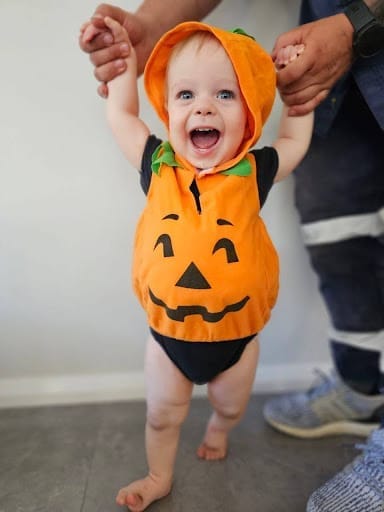
We start by talking with our kids about the route they will take and the houses they can visit. We explain why they should only go to houses with porch lights on. We tell them to stay together and stick close to an adult. It helps to agree on a meeting place if anyone gets separated.
We remind them not to run into the street and to use sidewalks when possible. We explain that they should never enter a stranger’s home, even if offered candy. Making these rules clear helps set expectations and keeps the night safe.
Informing Kids About Emergency Information
Our kids should know key emergency contacts like our phone numbers and how to call 911 if needed. We teach them to say their full name, address, and parents’ phone number if they must ask for help. It’s smart to practice this before Halloween so they feel confident.
We can use an ID wristband or write this info on a card in their pocket. This makes it easier for someone to help if kids get lost. Knowing who to call and what to say is one of the best ways to stay safe.
Packing Safety Items for the Night
We pack a small bag with essentials that help keep kids safe and visible. This includes a flashlight or glow sticks, reflective tape for costumes, and a fully charged phone. Extra masks or wipes for cleaning hands are also handy.
A small first aid kit with band-aids can be useful for minor scrapes. If kids have allergies, we bring any necessary medication like an EpiPen. Preparing these items ahead of time means we’re ready for most situations and can enjoy the evening without worry.
For more tips on how to prepare and stay safe, see this guide on Halloween safety tips for kids.
Choosing Safe Costumes and Gear
When picking costumes for Halloween, we want our kids to be both safe and comfortable. It’s important to focus on making sure they can be seen, avoid anything that could cause trips or injuries, and dress for the night's weather.
Conflict Resolution and Setting Healthy Boundaries
Maximizing Visibility and Comfort
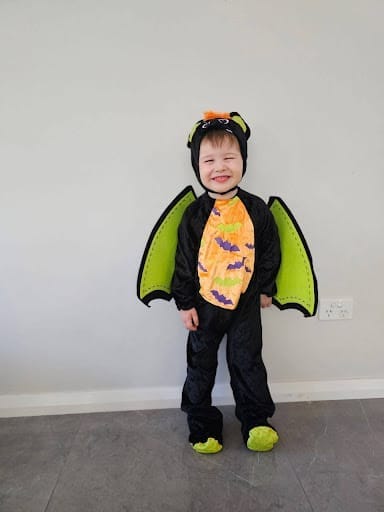
We should choose costumes that make our kids easy to spot in the dark. Light-colored or reflective materials work great. If the costume is dark, we can add reflective tape or glow-in-the-dark accessories like bracelets or necklaces.
Comfort matters, too. Costumes shouldn’t be too tight or too loose. If a costume drags on the ground, our kids might trip. Breathable fabric helps prevent overheating. We should avoid full masks that block sight—it’s safer to use face paint instead so kids can see clearly and stay aware of their surroundings.
Selecting Safe Accessories
Costume accessories can add fun but we need to be careful. Props like swords or wands should be made of soft materials and not sharp. Avoid long sticks or anything heavy that can hurt if dropped.
Hats, wigs, or glasses must fit well and not fall over our kids’ eyes, limiting their vision. Colored contact lenses can be risky if kids aren’t used to them, so it’s better to skip those.
Small details like loose buttons or beads should be avoided for younger kids since they can be choking hazards.
Dressing for the Weather
Halloween nights can get chilly depending on where we live. We should plan layers under or over costumes so kids stay warm. Lightweight jackets that match the costume or leggings under pants work well.
If rain is likely, waterproof shoes and jackets help keep kids dry and comfortable. Shoes are one of the most important parts—closed-toe, comfortable, and with good grips reduce slips and falls.
By keeping these points in mind, we help make Halloween a safe and fun night for our little ones. You can find more tips on Halloween safety for kids.
Trick-or-Treating Smarts
When our kids go out on Halloween night, we want them to be safe and have fun. Planning who they go with, how much freedom they have, and when they come home helps keep things smooth and secure.
Sticking Together in Groups
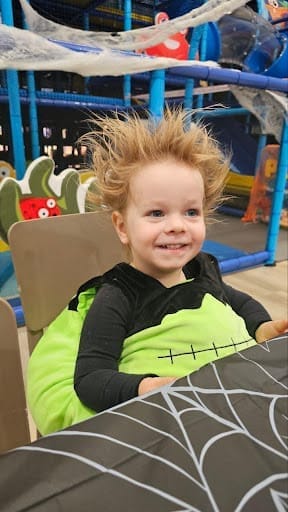
We know that trick-or-treating is more fun and safer when kids go in groups. Walking with friends means they can watch out for each other and avoid getting lost. For younger children, it's best to stick with small groups and have adults nearby.
Going house to house in a group also makes them more visible to drivers. It’s easier to keep an eye on multiple kids at once if they stay together. We can remind them to stay on the sidewalk, cross streets carefully, and never wander off alone.
Adult Supervision and Age-Appropriate Independence
For younger kids, having an adult nearby is really important. Ideally, one adult should watch every two or three children to make sure no one gets left behind. We can help by knowing their route and agreeing on safe houses to visit.
As kids get older, around 12 to 14 years old, we can allow more independence. They should go with friends and check in by phone. We make sure they understand not to enter any homes and to stay on well-lit streets in their neighborhood.
Setting Clear Time Limits
Setting a clear start and end time for trick-or-treating helps us keep control and ensures kids aren’t out too late. For example, we might say they can start at 6 p.m. and be finished by 9 p.m., depending on their age.
This way, we know when to expect them back and can plan to check in with them. It also helps kids feel safe, knowing there’s a plan. Sometimes, we can use this time to decide when to hand out candy too, so the whole family can enjoy the night together.
For more ideas on trick-or-treat safety, see these practical tips for Halloween night.
Street Safety for Kids
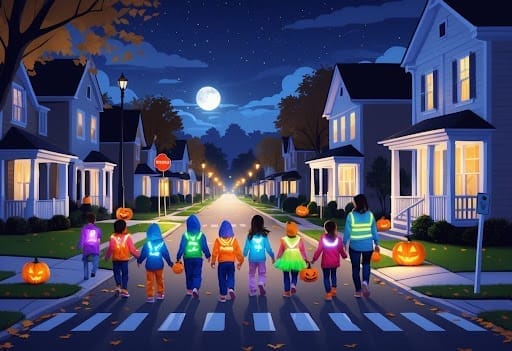
We want to help our kids stay safe while they enjoy trick-or-treating. Keeping to sidewalks, using crosswalks right, and knowing how to move safely through the neighborhood can make a big difference.
Staying on Sidewalks
Sidewalks keep us away from the road and reduce the chance of accidents. We should remind our kids to always walk on sidewalks where they are available. It’s safer than walking on the street and helps drivers see them better.
If there’s no sidewalk, kids should walk facing traffic so they can see cars coming. When walking in groups, sticking close together makes it easier for adults to watch everyone. Avoid running on or near roads because it’s easy to trip or step into the street without looking.
Wearing bright or reflective clothes can make our kids more visible while they walk in the dark.
Using Crosswalks Properly
Crosswalks help us cross streets safely. We need to teach our kids to stop at the curb first. They should look left, right, and left again to check for cars before stepping into the street.
Waiting for cars to stop is important. Even if we think the road looks clear, it’s better to be patient and cross only when it’s safe. Holding a grown-up’s hand while crossing also adds safety, especially for younger children.
Using crosswalk buttons where available can give children more time to cross safely. Encouraging kids to follow traffic signals and warnings helps keep their night fun and safe.
Safely Navigating the Neighbourhood
Trick-or-treating means moving through different areas of a neighborhood. We should plan a safe route ahead of time. Choose well-lit streets and familiar paths. Avoid dark or quiet spots that might be harder to see.
Traveling in groups helps keep everyone safe. Staying close together and checking in often can help us keep an eye on all the kids. We should teach kids to stay away from gaps between houses or bushes where cars can’t see them.
We can wear costumes that don’t block vision or movement so kids can quickly spot any hazards. Keeping flashlights or glow sticks handy adds extra safety and helps us spot where we are going.
For more tips on keeping our kids visible and cautious, see these updated Halloween safety tips for 2025.
Candy and Treat Safety
Making sure our kids enjoy their Halloween candy safely is a big part of the fun night. Paying close attention to what they bring home and keeping an eye on allergies helps protect them. We also need to be careful about homemade or unwrapped treats to avoid any risks.
How to Inspect Candy
When the trick-or-treating ends, we should carefully check every piece of candy. Look for any torn wrappers or loose packaging. If the wrapper is open or damaged, it's safer to throw that candy away.
We want to avoid anything that looks unusual, like strange colors or smells. Hard candies, chocolate, and gummies should all be inspected before our kids eat them. Remember, peeling back the wrapper or cutting a piece open can help us see if it looks okay.
Using a flashlight to check candy helps spot small tears or dirt on packages, especially if treats were collected in low-light conditions.
Handling Allergy Concerns
If any of our kids have food allergies, we must be extra sure to read labels on their candy. It’s common for candy to contain nuts, dairy, or gluten, which can cause reactions. Keeping a list of safe treats before Halloween is helpful.
We should separate allergy-friendly candy right after trick-or-treating. That way, kids won’t accidentally eat something harmful. If you’re unsure about an ingredient, it’s best to skip that treat.
For younger children or those with severe allergies, homemade treats can be risky unless we know exactly what’s inside. Bringing their own safe snacks is a smart idea.
Dealing With Homemade or Unwrapped Treats
Homemade or unwrapped treats can be tricky. Even with good intentions, they might not be safe because we don’t know everything about how they were made or stored.
It’s best to avoid giving these treats to our kids unless they come from someone we trust completely. For school parties or close family events, homemade snacks are usually fine, but random treats from neighbors or strangers should be left out.
If our child receives an unwrapped or homemade treat, it’s okay to explain to them why it’s safer to pass on those. Having extra Halloween candy from home can help avoid any disappointment.
For more detailed tips on candy safety, visit Halloween Safety Tips for Kids.
Making Trick-or-Treat Night Memorable
We want our kids to enjoy Halloween while staying safe and happy. Creating a special night means being thoughtful about the mood, offering fun options beyond just candy, and keeping family traditions alive.
Fostering a Fun and Positive Atmosphere
Let's focus on making the night joyful and relaxed. We can brighten costumes with glow sticks or reflective tape to keep kids visible.
Playing Halloween-themed music or sharing fun stories helps set a cheerful mood while waiting for treats. Bringing along a small group of friends or family adds to the excitement and creates a safer environment.
It's important we praise kids for being careful crossing streets and staying together. A positive attitude helps kids feel proud and safe throughout the night.
Alternative Halloween Activities
Not every child enjoys traditional trick-or-treating, so having some backup ideas makes the night fun for all.
We can plan a pumpkin decorating contest at home or a Halloween scavenger hunt with safe clues indoors or in our yard.
Visiting local events like costume parades or community “teal pumpkin” houses that offer non-food treats can be a good alternative too.
These activities keep kids engaged and celebrate the spirit of Halloween even if walking door-to-door isn’t the best choice.
Celebrating Halloween Traditions
Sharing Halloween customs builds memories that last. We can involve kids in carving pumpkins or setting up decorations to make the house festive.
Reading classic spooky stories or watching family-friendly Halloween movies together adds to the tradition and gives us quality time.
Encouraging kids to create their own costumes encourages creativity and confidence.
Keeping these traditions flexible and safe helps us enjoy Halloween without stress and keeps the magic alive for everyone.
For more tips on keeping kids safe and happy while trick-or-treating, check Children’s Health Injury Prevention tips.
Frequently Asked Questions
We want to make sure our kids have a fun and safe night while trick-or-treating. That means thinking about how they can be seen by drivers, staying safe while going door to door, knowing how to handle strangers, checking their candy, and picking good costumes. Let’s look at these important points together.
How can I ensure my child's visibility to drivers while trick-or-treating?
We can make sure our kids wear reflective tape or bright colors. Glow sticks, light-up accessories, and flashlights help them stand out in the dark. If their costume is dark, adding glow-in-the-dark makeup or tape makes a big difference.
What are some effective safety tips for kids going door to door on Halloween?
We should always go with our kids or make sure they stay in a group with adults. It’s best to only visit houses with porch lights on. We also want to remind kids to use sidewalks and cross streets at crosswalks or corners, not in the middle of the block.
What should I teach my kids about stranger safety on Halloween night?
We need to teach our children never to go inside a stranger’s home or get into cars. If anyone tries to invite them in, they should come find an adult right away. Staying close to people we know and trusted adults helps keep Halloween safe.
How can I check my child’s candy to make sure it's safe to eat?
Before our kids eat any treats, we should look for sealed wrappers and throw away any candy with torn or open packaging. We should also check for foods that could cause allergies or choking. It’s wise to save treats for the next day after a careful check.
Are there any recommended curfew times for younger children on Halloween?
Younger children should finish trick-or-treating around early evening, like 7 or 8 p.m., before it gets too late and dark. This helps keep them safe and alert. Older kids should have an agreed time to come home and a clear plan if they get separated.
What costumes are both safe and fun for kids during trick-or-treat?
We want costumes that fit well and don’t drag on the ground to avoid tripping. Masks that cover eyes can block vision, so face paint is a safer alternative. Costumes with bright colors or reflective pieces help with visibility, and choosing lightweight, breathable fabrics keeps kids comfortable.
Created with © systeme.io