
Become a SAHM Indefinitely: 5 Practical Steps for Lifelong Fulfilment
Choosing to become a stay-at-home mom indefinitely instead of returning to work is a big decision that requires careful planning. The key to making this choice sustainably is to create a clear plan that balances your family’s finances, routines, and personal well-being. Staying home full-time means adjusting your lifestyle but also opens the door to more time with your children and building a stronger family foundation.

We’ll walk through practical steps that help you prepare financially, design manageable daily routines, and build a supportive community. This approach helps us avoid common pitfalls like feeling isolated or overwhelmed. By focusing on both family needs and personal growth, we can make this transition smooth and fulfilling for everyone involved.
Key Takeaways
Understanding your financial situation is essential before deciding to stay home long-term.
Creating daily routines and support networks helps maintain balance and reduce stress.
Prioritising personal growth ensures ongoing fulfilment beyond parenting responsibilities.
Deciding to Become a SAHM Indefinitely
Choosing to stay home with our children without a set return date requires careful thought about its impact on family life, finances, and personal well-being. We need to understand our core reasons, weigh benefits and challenges, and manage our feelings as well as outside opinions.

Identifying Your Why for Staying Home
We must clearly define why staying home is important to us. Is it to be fully present for our children’s early years? Or to create a stable home environment? Maybe it’s about reducing stress from balancing work and childcare. Knowing our true motivation helps keep us focused during tough moments.
Writing down our reasons creates a personal reminder of what we value most. This can include spending quality time with kids, teaching important life skills ourselves, or supporting our partner better without a strong "why," staying home long-term might feel uncertain or discouraging.
Evaluating the Pros and Cons
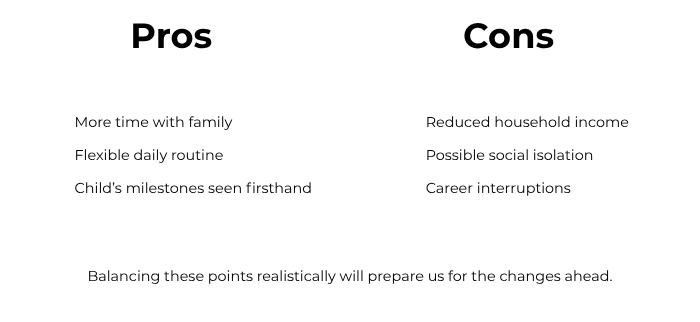
It’s important to list concrete benefits and challenges we expect. On the plus side, we might save on childcare costs and witness milestones first-hand. We also have a flexible schedule and reduced commute stress.
On the downside, income loss affects finances. We may miss adult interaction or career growth. There’s a chance of feeling isolated or overwhelmed without breaks. Making a table can help us visualise trade-offs:
Handling Doubts and External Opinions
Feeling unsure is normal when deciding to become a SAHM indefinitely. Doubts might arise about financial security or personal fulfillment. Addressing these doubts honestly helps prevent regrets later.
Others’ opinions can be mixed. Some may support us, while others question our choice or pressure us to return to work. We should set boundaries and communicate our reasons firmly but respectfully. Surrounding ourselves with other SAHMs or understanding friends can provide encouragement.
Focusing on what works for our family, not outside judgments, helps maintain confidence and peace of mind.
Step 1: Assessing Your Family’s Financial Readiness

To live on one income, we need a clear view of our money coming in and going out. This means knowing exactly how much we earn, where our money is spent, and how to protect our future. Focusing on practical budgeting, cutting costs, and planning for long-term needs sets the foundation for staying home without stress.
Creating a Realistic Budget on One Income
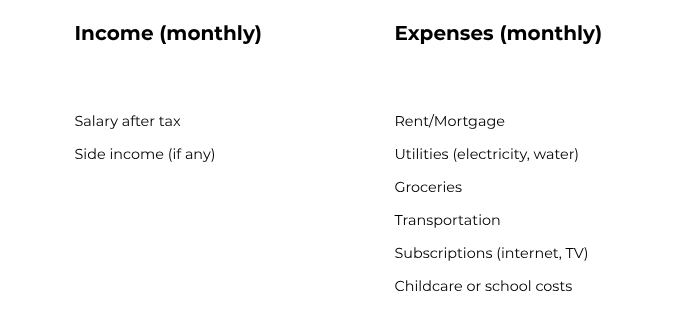
We start by listing all sources of income after taxes. This includes paychecks, benefits, and any side income. Next, we write down every expense, from big bills like mortgage or rent, utilities, and groceries, to smaller monthly payments like streaming subscriptions.
Using a detailed budget sheet or an app helps us track expenses and compare them to our income.
We must be honest about what we can cut or lower. If our expenses are higher than what one income can cover, we adjust by reducing costs or increasing income.
Here’s a simple table to organise our budget:
Reducing Expenses and Finding Savings
After we know our budget, we look for areas to save. Common wins come from cutting unnecessary subscriptions, meal planning to limit grocery overspending, and finding deals on essentials.
We can also consider shopping at discount stores or using cashback apps to lower costs on groceries and household goods.
Some families even move to smaller homes or less expensive areas to reduce rent or mortgage payments. That choice depends on what fits our situation best.
Discipline is key. We stick closely to our budget and avoid impulse spending, even on good sales or tempting buys.
Accounting for Long-Term Financial Security
Living on one income means planning beyond today. We talk openly with our partner about saving for emergencies, retirement, and future expenses like education or healthcare.
Creating an emergency fund with three to six months' worth of expenses is crucial. It cushions us if anything unexpected happens.
Investing or saving regularly, even small amounts, keeps us prepared for the long term.
We also check that our insurance coverage fits our family’s needs. This helps protect our income and assets while we focus on our goal to be a stay-at-home parent.
Discussing these plans regularly keeps us on track and financially secure.
For more ideas on budgeting for a stay-at-home lifestyle, check out this guide on how to afford to be a SAHM.
Step 2: Planning the Transition from Work to Full-Time SAHM
We need to prepare carefully for leaving our jobs to become full-time stay-at-home moms. This means communicating with our employers properly, getting ready for the emotional changes, and adjusting how we see our roles at home and within the family.

Notifying Employers and Managing Resignation
Telling your employer about your decision is a key step. We should give clear notice, usually two weeks or more, depending on company policy. Being professional and thankful helps maintain good relationships for future opportunities.
We can offer to help with training a replacement or finishing key projects. This shows commitment and respect. It’s smart to put our resignation in writing and keep a copy for records.
If possible, discussing flexible options like remote work before fully resigning might ease the shift. But if our plan is to leave completely, setting a firm end date helps us stay focused on the transition.
Preparing for Emotional Adjustments
Leaving work means big emotional changes. We might feel loss from leaving a career and daily social contact. It’s normal to face feelings like loneliness or uncertainty.
To handle this, we should build a support system of friends, family, or other moms. Scheduling regular social activities helps avoid isolation. Prioritising self-care, small breaks, hobbies, or exercise can boost our mood and mental health.
Being aware of these feelings ahead of time lets us react better. We should remind ourselves that our role is important and valued, even if it looks very different.
Redefining Personal and Family Roles
Once we stop working, family dynamics shift. We need to clearly communicate with partners about household responsibilities and childcare.
Setting expectations early prevents misunderstandings. It helps to divide duties like cooking, cleaning, and budgeting fairly. We also might want to create a daily routine to give structure to our days.
Keeping our personal identity beyond "mom" matters. Pursuing hobbies, learning new skills, or volunteering can keep us connected to who we are. This balance supports our sense of purpose and wellbeing.
For more on handling this shift, see tips on planning the transition to a stay-at-home mom.
Step 3: Designing a Sustainable Daily Routine
Creating a daily routine that works for us and our children takes thoughtful planning. It needs clear structure, attention to self-care, and firm boundaries to keep everything balanced. Let's focus on practical ways to make this routine hold up day after day.

Establishing Structure for Yourself and Children
A clear daily plan helps everyone know what to expect. For our children, set consistent times for meals, play, learning, and naps. This predictability helps build independence and reduces stress. For us, blocking specific times for chores, meal prep, and focused child-free work helps maintain balance.
Using visual schedules or charts can make the routine easy to follow for kids. We should also allow for some flexibility to handle the unexpected moments that happen every day.
Key tips:
Keep wake-up and bedtime consistent
Use timers or alarms for transitions
Plan simple morning and evening rituals
Focusing on Self-Care and Mental Health
Taking care of ourselves is not optional; it’s necessary. Regular self-care keeps us refreshed and reduces burnout. We need to build in short breaks for relaxation, hobbies, or exercise. Even 10 minutes of deep breathing or stepping outside can make a difference.
Mental health matters too. We should set realistic goals and give ourselves grace on hard days. Checking in with our feelings and talking with friends or support groups helps us stay grounded.
Examples for daily self-care:
Morning stretches or meditation
Journaling or reading during quiet time
Scheduling social time or online support chats
Setting Boundaries and Managing Expectations
Clear boundaries protect our time and energy. We must define when family time ends and personal time or chores begin. Communicating these limits with partners and kids helps avoid misunderstandings.
Managing expectations means recognising we can’t do everything perfectly. Saying no to extra commitments is okay. We can focus on what matters most without overloading ourselves.
Good boundary practices:
Use signals like a quiet room or "do not disturb" signs
Limit screen time for both us and our children to keep focus
Have honest conversations about our limits with family
Designing a sustainable routine requires these focused actions to keep life organised and balanced.
Step 4: Building Community and Support Systems
Being a stay-at-home mom long-term means we need strong support around us. Building connections with others who understand our role helps with emotional strength. At the same time, having family support and chances for adult interaction keeps us balanced and grounded.

Being a stay-at-home mom long-term means we need strong support around us. Building connections with others who understand our role helps with emotional strength. At the same time, having family support and chances for adult interaction keeps us balanced and grounded.
Connecting with Other Stay-at-Home Moms
Meeting other stay-at-home moms creates a network where we can share experiences and advice. It’s useful to join local playgroups, mommy meetups, or online communities. These connections offer friendship and reduce feelings of isolation.
We should look for groups matching our parenting style or interests. Sharing tips on routines or managing kids provides practical help. Plus, having friends who face similar challenges makes tough days easier.
Seeking Help from Family and Friends
Family and friends are a key part of our support system. We can ask them to watch the kids for short breaks or help with errands. Communicating our needs clearly allows others to support us effectively.
It’s also important to involve our partners in household and childcare tasks. Sharing responsibilities prevents burnout and strengthens our relationships. Knowing we aren’t alone builds resilience.
Finding Positive Outlets for Adult Interaction
Regular adult interaction keeps us energised and balanced. Finding ways to connect outside of motherhood is essential. This might include scheduling coffee dates, joining hobby groups, or volunteering.
We should prioritise activities that stimulate us mentally and socially. These outlets prevent burnout by providing variety in our daily lives. Small steps to connect with adults improve our overall well-being.
Step 5: Maintaining Personal Growth and Fulfillment
To stay fulfilled as we choose to be stay-at-home moms indefinitely, we need to keep developing ourselves. This means setting goals outside our parenting roles, making time for hobbies and learning, and regularly checking in to adjust our plans as life changes.

Setting Personal Goals Beyond Motherhood
It’s important that we set personal goals that are separate from our duties as moms. These goals can be related to health, skills, or new achievements that make us feel accomplished. For example, committing to read a certain number of books each year or learning a new language can keep our minds active and motivated.
Writing down our goals and breaking them into small, clear steps makes them easier to follow. We can track our progress weekly or monthly, which helps keep us on course. Having goals beyond motherhood gives us a sense of identity and purpose that’s essential for long-term happiness.
Balancing Time for Hobbies and Learning
Hobbies and learning new things add variety and joy to our days. We should schedule specific times for activities we enjoy, whether it’s painting, writing, or taking an online course. This balance also prevents burnout from all the parenting and housework chores.
Even short daily sessions, like 15 minutes of reading or stretching, can improve our well-being. Trying new hobbies can sometimes surprise us with new talents or interests. Staying curious and creative keeps us energised and sharp.
Evaluating and Adjusting Over Time
Our needs and interests will change, so it’s key to regularly evaluate how we are doing with our personal growth. Every few months, we should ask ourselves what’s working and what isn’t. Are we feeling fulfilled? Are our goals still relevant?
If something isn’t fitting our life anymore, we can adjust or replace it. Flexibility lets us stay aligned with who we are now, not who we were before. This ongoing process helps avoid frustration and keeps our journey as stay-at-home moms both purposeful and satisfying.
For more ideas on balancing a fulfilled SAHM life, see this guide on how to be fulfilled as a SAHM.
Frequently Asked Questions
We need to carefully review our finances, plan budgets, and think about the future to make the choice to stay home long-term. Managing daily tasks well and finding ways to bring in some income without a full-time job can help maintain balance.
What financial considerations should I make before deciding to be a stay-at-home mom indefinitely?
We should first calculate all monthly expenses, including bills, groceries, and debt payments. It's important to compare these costs against our partner’s income to see if living on one salary is realistic.
Building an emergency fund that covers three to six months of essential expenses is key before making this shift. We must also look at current debts and work to reduce them to ease financial pressure.
How can I create a sustainable budget on a single income to support my decision to stay home?
We need to separate our fixed costs, like rent and utilities, from variable costs such as entertainment and groceries. Prioritizing essential spending and cutting unnecessary expenses will help balance our budget.
Meal planning and buying in bulk can lower grocery bills. Regularly reviewing subscriptions and service plans helps to avoid wasted money and keep costs manageable.
What are some long-term planning strategies for stay-at-home moms to ensure financial stability?
Continuing to save for retirement and other goals is critical, even on one income. Opening separate savings accounts for education or emergencies can help us stay organised.
We should also explore government assistance options we may qualify for. Investing wisely after reassessing our financial situation supports long-term security.
How can I maintain my professional skills while being a stay-at-home mom in case I decide to return to work in the future?
Keeping up with industry news and training online maintains our knowledge. Freelancing or part-time remote work offers experience and keeps skills fresh.
Networking through online groups or professional contacts can provide opportunities. Setting aside time each week for learning or work-related projects helps us stay prepared.
What daily management tips can help stay-at-home moms balance household responsibilities efficiently?
Creating a clear schedule with time blocks for chores and personal tasks stops us from feeling overwhelmed. Prioritising and breaking big tasks into smaller steps makes them easier to handle.
Involving all family members in household duties lightens the load. Using planners or apps for reminders keeps us organised and on track.
What are some ways I can contribute to household income without committing to a traditional 9-to-5 job?
We can explore freelancing, virtual assistance, online tutoring, or selling handmade or secondhand items. Many of these options let us work flexible hours around family needs.
Taking advantage of skills we already have or learning new ones online opens additional avenues. This approach supports the household while keeping our schedule flexible.
Created with © systeme.io