
3 Ways to Feel Prepared for Your Parenting Journey: Confidence for New Parents
Starting the journey into parenthood can feel overwhelming, but there are clear ways we can feel more ready. Feeling prepared comes down to setting realistic expectations, building strong support, and taking care of ourselves. These simple steps help us manage the ups and downs that come with welcoming a new baby.
When we adjust our minds and lives to the changes ahead, we find it easier to enjoy the experience rather than just cope with it. Knowing what to expect, sharing responsibilities with others, and making time for rest all play a big role in feeling confident. This way, we can focus on the joy of becoming parents instead of feeling lost or stressed.
Preparing doesn’t mean we have to have all the answers or do everything perfectly. It’s about being gentle with ourselves and discovering what works best as we go. Together, we can turn the challenges of new parenthood into a meaningful and manageable journey.

Key Takeaways
Setting practical and realistic goals helps us feel in control.
Having a reliable circle of support makes parenting less stressful.
Taking care of our own well-being is key to staying strong for our baby.
Prioritising Emotional Preparation
Getting ready for parenthood means more than just buying things or planning routines. We need to get our emotions in shape, too. This means accepting that things won’t always go as planned, learning how to stay strong through ups and downs, and being kind to ourselves along the way.
Managing Expectations and Embracing Uncertainty
One of the hardest parts of preparing for parenthood is knowing we can’t control everything. Babies don’t come with instructions, and their needs and personalities are surprises. Sometimes our plans may not work out. That’s okay.
It helps to remember that there is no perfect parent. We can expect some challenges and moments that feel overwhelming. Instead of stressing about these, we try to accept them as part of the journey.
By managing our expectations this way, we reduce pressure on ourselves. This makes it easier to enjoy the little wins and learn from tough moments.
Building Emotional Resilience
Parenthood is full of changes. We will face new challenges, from sleepless nights to balancing work and baby care. Building emotional resilience helps us handle these stresses without feeling lost.
To do this, we need to stay connected with our support network. Talking openly with our partner, friends, or other parents can give us comfort and advice.
Practising small daily habits like deep breathing or taking short breaks also helps keep our minds calm. These build resilience so we face parenting challenges with more confidence.
Practicing Self-Compassion
Being gentle with ourselves is one of the best ways to prepare emotionally. We are learning a new job every day, and it's normal to make mistakes or feel tired.
Instead of being harsh when things go wrong, we can remind ourselves that every parent has tough days. Saying things like “I’m doing my best” helps us stay patient.
Taking time for self-care, like rest, hobbies, or quiet moments, also supports our emotional health. When we care for ourselves, we are better able to care for our baby and build a positive parenting experience.
Building a Support System
Having people around us who understand what we're going through makes parenting less stressful. It helps to connect, share advice, and work together. This support can come from groups, experienced parents, and our partners.

Engaging with Parenting Groups
Joining parenting groups lets us meet others who are in the same phase of life. These groups often hold playdates, meetings, or online chats where we can ask questions and share experiences.
We gain practical tips on things like sleep schedules, feeding, and managing behaviour. Plus, it feels good to know others face similar challenges. Some groups focus on specific topics, like newborn care or single parenting, so we can find what fits us best.
Online communities also offer easy ways to connect when we can’t get out. They provide support any time we need it. Joining these groups helps build friendships and reduces feelings of isolation.
Seeking Guidance from Experienced Parents
Talking with parents who have raised children before us can be helpful. They offer real-world advice that comes from experience, not just theory.
We can learn how they handled tough moments and what worked for them. This can include ideas on balancing work and family, handling tantrums, or knowing when to ask for help.
They can also remind us that it’s okay to make mistakes and that parenting is a learning process. Experienced parents often provide emotional support, encouraging us through the ups and downs of parenthood.
Communicating Needs with Your Partner
When parenting as a team, clear communication with our partner is key. We need to talk about daily tasks, schedules, and how we feel.
Setting expectations early helps avoid misunderstandings about who does what. It’s also important to check in regularly and support each other emotionally.
Sharing responsibilities makes parenting more manageable. We can schedule time for breaks and self-care without guilt when we agree on plans together.
Open communication keeps us connected and stronger as we face new parenting challenges.
Developing Practical Parenting Strategies
Feeling ready for parenting means knowing some clear steps to guide us. It helps to understand how kids grow, set steady routines and rules, and use caring ways to teach right from wrong. These strategies give us a strong foundation to support our children.

Understanding Child Development Basics
Knowing the stages of child development helps us see what to expect as our kids grow. For example, babies learn to trust when their needs are met, toddlers test limits, and school-age children start understanding rules and friendships.
We can watch for key skills like talking, walking, and socialising to know if our child is on track. Understanding these basics helps us stay patient and adapt our approach to meet their needs.
It also reminds us that every child grows at their own pace. We shouldn’t compare our child to others but focus on supporting their unique progress. This knowledge builds a strong connection and trust between us and our children.
Establishing Routines and Boundaries
Routines give children a sense of safety because they know what to expect. We can create simple daily schedules for meals, playtime, learning, and bedtime. Keeping these routines consistent helps children feel secure and reduces stress.
Boundaries are just as important because they teach children about limits and consequences. Clear rules like “no hitting” or “hands inside the car” need to be explained calmly and enforced fairly.
Being consistent with routines and boundaries lets children learn responsibility and respect. At the same time, we can stay flexible when life changes, adjusting plans with clear communication.
Learning Positive Parenting Techniques
Positive parenting focuses on guiding children with kindness and respect rather than fear or punishment. We can encourage good behaviour by praising efforts and achievements, even the small ones.
Instead of saying “don’t do that,” we show children what we want them to do, like “please use gentle hands.” This helps them learn better ways to act without feeling scared.
Using positive discipline means setting limits but also listening to our child’s feelings. It helps build trust and motivates children to make good choices because they want to, not just to avoid punishment.
Many effective parenting methods include calm communication, empathy, and clear expectations. These techniques make parenting a cooperative and loving experience for all of us.
Learn more about developing these skills in parenting strategies at Anglicare Victoria.
Preparing Your Home and Essentials
Getting our home ready means focusing on the right baby supplies, safe places for sleep and play, and ways to keep everything secure. These steps make the transition smoother and keep our little one safe as they grow.
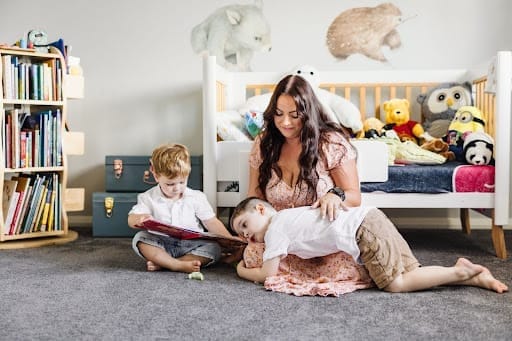
Organising Baby Supplies
We start by gathering the basics like diapers, wipes, clothes, and bathing items. It helps to sort these by size and type. For example, keep newborn clothes separate from bigger sizes so we can find them quickly.
Setting up a changing station stocked with diapers, creams, and wipes saves time during diaper changes. Also, having extra bottles and breastfeeding supplies ready can make feeding easier.
It’s smart to buy some items in bulk, like diapers and wipes, but we should store them properly to keep everything fresh and clean. Keeping baby supplies in labelled bins or drawers helps us stay organised and ready for any moment.
Setting Up Safe Sleep and Living Areas
Creating a calm sleep space is key. We want a firm mattress with a fitted sheet in a crib that meets safety standards. No pillows, loose blankets, or toys should be in the crib to avoid risks.
Soft lighting near the nursery helps night-time checks without waking the baby fully. It’s good to have a comfortable chair nearby for feeding or soothing.
Living areas where the baby will explore need to be free of sharp edges and hazards. Using a baby monitor lets us keep an eye and ear from another room, so we feel secure even when we’re not right next to them.
Childproofing and Safety Planning
Before the baby starts to move around, we need to childproof the house. Securing furniture to the walls prevents tipping accidents. Outlet covers block curious fingers from plugs.
We should store cleaning products, medicines, and small objects out of reach. Gates at stairs create safe zones and stop falls.
Planning for emergencies by having a first-aid kit and emergency contacts visible is helpful, too. Talking with everyone in the family about safety rules keeps us all on the same page.
Taking these steps gives us peace of mind and a safer home for our baby’s first adventures.
For more tips, see Preparing for Parenthood: Emotional and Practical Considerations.
Nurturing Your Own Well-Being
Taking care of ourselves helps us handle the ups and downs of parenthood better. Paying attention to our health and knowing when to reach out can make this journey smoother and less stressful.

Balancing Self-Care and Parenthood
As new parents, it’s easy to put our needs last. But self-care isn’t selfish; it keeps us strong and ready for the demands of parenting.
Simple habits like getting enough sleep, eating balanced meals, and moving our bodies each day can improve our mood and energy. Even small breaks to do something we enjoy, like reading or listening to music, make a difference.
We can also set realistic goals for each day. It’s okay if everything isn’t perfect. Prioritising tasks and asking for help when needed leaves room for rest and connection with our baby.
Recognising When to Ask for Help
Parenthood can be overwhelming, and sometimes we can’t do it all alone. Knowing when to ask for help is important for our health and our child’s well-being.
If we feel constantly tired, stressed, or anxious, it’s a sign to reach out. Talking to family, friends, or health professionals can provide support and advice.
Building a support network early, like joining parenting groups or asking for help with chores, creates a safety net. This helps us recharge so we can be our best for our child.
Remember, asking for help is a strength, not a weakness. It benefits everyone in the family.
Frequently Asked Questions
Preparing for a baby means knowing where to find helpful information, setting up a good support system, and understanding practical things like sleep, feeding, and development. It also means getting ready for the birth, planning money matters, and keeping our relationships strong.
What are some essential parenting books or resources for new parents?
We can start with my parenting made simple program, which is accessible to all. Also, my parenting village podcast.
How can I establish a support network for when the baby comes?
It helps to connect with family and friends early. Joining local parenting classes or groups lets us meet others going through similar things. We can also ask for help with everyday tasks once the baby arrives.
What are the key things to know about infant sleep, feeding, and development?
Babies often follow unpredictable sleep and feeding patterns at first. It’s normal for them to wake up often at night. Understanding their growth milestones helps us know what to expect and when to check in with a doctor.
What should I pack in my hospital bag for the birth?
Packing comfortable clothes, toiletries, important documents, and baby outfits is key. Don’t forget items like snacks, chargers, and anything that helps you relax, like music or books.
How can I plan financially for the arrival of my child?
We should budget for urgent needs like diapers, clothes, and doctor visits. Reviewing expenses and setting aside savings before the baby arrives can ease stress later on.
What are some tips for maintaining a healthy relationship with my partner after becoming parents?
Keeping communication open and sharing parenting duties helps us stay connected. Making time for each other, even in small ways, is important during this busy phase. We should also be patient and kind with ourselves and each other. Being on the same page, knowing wants and needs before bubs arrival
Created with © systeme.io